Building Bridges: Inside CONVIVE Fundación Cepaim’s Mission for an Inclusive Society – A Deep Dive into Programs Empowering Individuals and Fostering Intercultural Cohesion
On October 23, we undertook two activities:
- Association visit to CONVIVE Fundación Cepaim, Cartagena
- On-campus work on creating detailed reports for Work Package 1 through organised teams.
Visit CONVIVE Fundación Cepaim
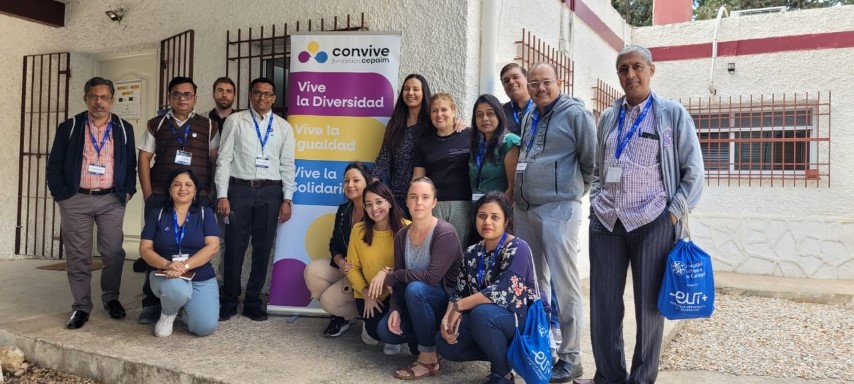
We arrived at CONVIVE Fundación Cepaim at 10:15 am with Mr. Rafael Hernández Arnaiz, where we had a tour of the site with Ms. Khadija El Mataalib, the Centre Coordinator, along with Ms. Merche from the Employment Programme, who served as our translator. The organisation’s mission is rooted in creating an inclusive society that promotes equality, intercultural cohesion, equal rights, gender equity, and solidarity.
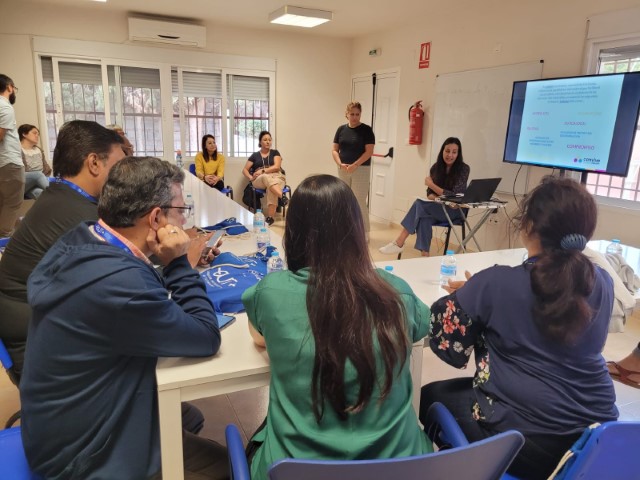
Our meeting began with introductions and discussions about our ongoing project. Formerly known as CEPAIM, this organisation, now called CONVIVE, traces its roots back to 1994, when it initially focused on working with immigrants. However, the organisation’s scope has since broadened, encompassing all individuals in need. With a presence in 39 centres all across Spain, including seven offices in Murcia, CONVIVE Fundación Cepaim is actively involved
in developing 288 projects in different categories such as international protection, employment, and more. Their ultimate goal is to foster an inclusive society where everyone enjoys equal rights and opportunities.Programmes run by CONVIVE Fundación Cepaim
Humanitarian Care: This programme primarily focuses on non-regular immigrants awaiting a response from the Ministry. It caters to people who have arrived from the South Frontier in humanitarian emergency situations. These immigrants, who have arrived irregularly, can stay in CEPAIM for a month as per the Ministry’s allowance.
The organisation ensures they receive basic necessities such as housing, food, healthcare, and Spanish language lessons to aid in their integration. Immigrants are gradually transitioned from the Red Cross to CEPAIM or other similar entities and then to other social organisations such as ACCEM, Cruz Roja, and APRAM.
CEPAIM maintains five houses, where the living arrangements cater to men, women, and families. The migration dynamics change over time, with the organisation now seeing an increase in the number of families. The participants’ nationalities vary, contingent on global events and the Spanish government’s diplomatic efforts to relocate refugees.